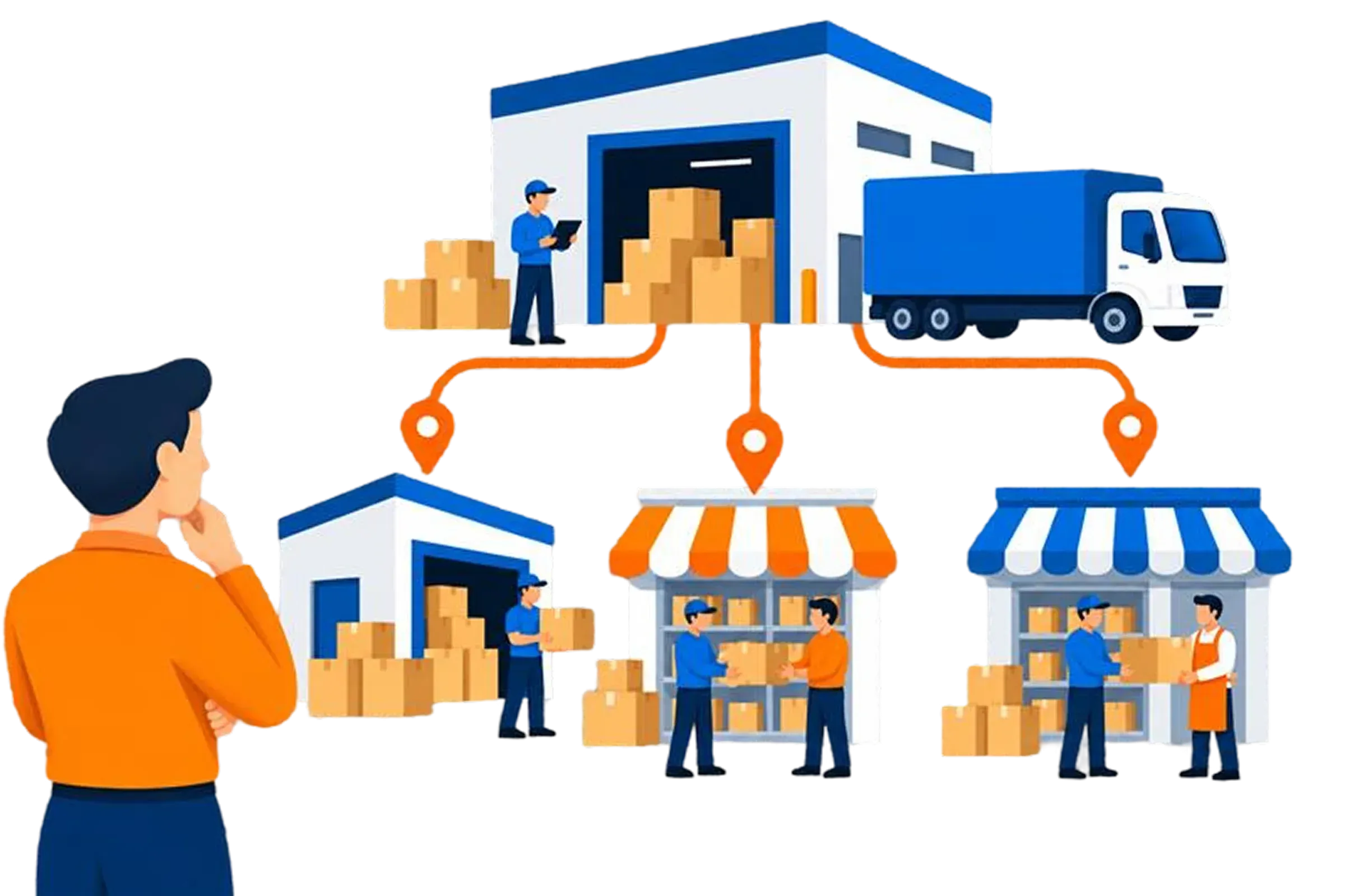
The real question is:
Can your loyalty platform influence the business behaviours that drive
revenue?
A successful B2B loyalty platform should help your organisation increase partner engagement, improve secondary sales visibility, influence product mix, accelerate new-product adoption, retain high-value partners and create measurable incremental revenue.
If the platform simply allows partners to earn points and redeem vouchers, it may be running a rewards program, but it is not necessarily helping you build a stronger channel business.
For large enterprises, choosing the right B2B loyalty platform is therefore a business decision as much as a technology decision.
This guide explains what business leaders should evaluate before selecting a platform for a large dealer and distributor network.
What Is a B2B Loyalty Platform?
A B2B loyalty platform is a technology platform that enables organisations to design, operate and measure loyalty, incentive and engagement programs for business partners such as:
- Distributors
- Dealers
- Retailers
- Wholesalers
- Stockists
- Resellers
- Contractors
- Installers
- Mechanics
- Electricians
- Plumbers
- Carpenters
- Painters
- Architects
- Sales Teams
- Other Trade Influencers
Unlike a conventional consumer loyalty program, enterprise B2B loyalty involves significantly more complexity.
A manufacturer may need to manage multiple partner types, territories, brands, SKUs, sales hierarchies, transaction validation methods, reward structures and integrations, all within a single loyalty ecosystem.
The platform therefore needs to work as a channel growth infrastructure, not merely a digital rewards catalogue.
Start With Business Outcomes, Not Platform Features
One of the most common mistakes during loyalty-platform selection is beginning with a long feature checklist.
Businesses ask:
- Does it have points?
- Does it have tiers?
- Can it send WhatsApp messages?
- Can partners redeem vouchers?
- Can it run campaigns?
These questions matter, but they should come later.
The first question should be:
What partner behaviour do we want to change, and what business outcome should that behaviour create?
For example:
| Business Objective | Behaviour to Influence | Possible Loyalty Mechanism |
|---|---|---|
| Increase revenue | Buy more | Volume-based incentives |
| Grow secondary sales | Increase sell-out | Secondary-sales rewards |
| Improve product mix | Buy priority SKUs | SKU-specific bonuses |
| Launch a new product | Trial and recommend new products | Launch campaigns |
| Increase retailer reach | Add new outlets | Acquisition incentives |
| Improve retention | Maintain consistent purchases | Tier programs |
| Increase wallet share | Shift spend toward your brand | Milestone rewards |
| Improve partner knowledge | Complete learning modules | Learn & Earn |
| Increase advocacy | Refer new partners | Referral incentives |
| Improve data visibility | Submit invoices or scan products | Transaction-linked rewards |
This outcome-first approach fundamentally changes how a company evaluates loyalty technology.
“Which platform has the most features?”
ask:
“Which platform gives us the greatest ability to influence and measure the behaviours that matter to our business?”
1. Can the Platform Handle Your Complete Channel Ecosystem?
Large organisations rarely operate with only one type of channel
Each participant contributes differently to the sales cycle.
Your loyalty platform should therefore support different program structures for different partner groups.
For example:
DistributorsThey may need incentives based on:
- Purchase Targets
- Inventory Movement
- Market Coverage
- Sales Growth
- Product Mix
They may be rewarded for:
- Secondary Purchases
- Revenue Targets
- SKU Performance
- Consistency
- Territory Growth
Programs could focus on:
- Product Purchases
- Sell-Out
- Product Recommendations
- New-Product Trials
- Display or Merchandising
Contractors, mechanics, electricians, plumbers, painters and similar professionals may need completely different engagement journeys.
They could earn through:
- QR Scans
- Invoice Uploads
- Product Installations
- Referrals
- Training
- Product Recommendations
A strong B2B loyalty platform should allow the enterprise to manage these ecosystems centrally while giving each audience a relevant experience.
2. Evaluate Scalability Beyond the Number of Users
When companies hear “scalability,” they often think only about whether the system can support 10,000 or 10,000,000 users.
Enterprise scalability is much broader.
Ask whether the platform can support:
- Multiple Partner Types
- Multiple Business Units
- Multiple Brands
- Multiple Countries
- Multiple Languages
- Multiple Currencies
- Different Tax Environments
- Large Transaction Volumes
- Multiple Earning Rules
- Multiple Redemption Models
- Regional Reward Catalogues
- Multiple Administrators
- Hierarchical Approval Workflows
A platform may work well for a 5,000-member dealer program but become difficult to manage when the program expands across countries, business divisions and hundreds of campaign rules.
Think about where your loyalty ecosystem needs to be three to five years from now, not only where it is today.
3. Check How Flexible the Loyalty Rule Engine Is
Enterprise B2B programs should not require development work every time the business wants to launch a new promotion.
Your marketing or program team should ideally be able to configure rules such as:
- Buy X → Earn Y
- Achieve ₹10 lakh quarterly sales → Earn bonus points
- Purchase Product A + Product B → Receive additional rewards
- Sell priority SKU → Earn 2X points
- Achieve 120% of target → Unlock milestone reward
- Purchase consistently for six months → Move to Gold tier
More advanced scenarios may include:
- Geography-Based Rules
- Partner-Type Rules
- Product/Category Rules
- Time-Based Promotions
- Target Achievements
- Tier Multipliers
- Campaign Bonuses
- Behaviour-Based Rewards
- Referral Rewards
- E-Warranty Generation
- GRN Generation
- Learning Rewards
- Lucky Draws
- Gamification
- Survey & Feedback
- Leaderboards
- In-App Based Order Captures
The greater the dependency on your technology vendor for everyday campaign changes, the slower your business will be able to respond to the market.
4. Ask How Transactions Will Be Validated
This is one of the most important considerations in B2B loyalty.
How does the platform know that a genuine business transaction has occurred?
Depending on the industry, validation could happen through:
- Unique QR Codes
- Product Serial Numbers
- Invoice Uploads
- Invoice OCR
- Distributor Sales Data
- ERP Transactions
- DMS Transactions
- POS Data
- API Integrations
- Manual Approval
- Maker-Checker Workflows
For example, an electrical manufacturer may reward electricians when they scan unique QR codes.
A pharmaceutical company may credit stockists based on invoice data.
A building-material manufacturer may reward dealers according to secondary sales received from its Distributor Management System.
The right validation mechanism should make participation easy while preventing duplicate or fraudulent claims.
5. Look for Strong ERP, CRM and DMS Integration Capabilities
For an enterprise program, loyalty should not become another isolated technology system.
The platform should connect with your existing enterprise ecosystem.
Common integrations include:
- SAP
- Oracle
- Microsoft Dynamics
- Salesforce
- Distributor Management Systems
- Sales Force Automation Platforms
- POS Systems
- Ecommerce Platforms
- Payment Gateways
- KYC Providers
- WhatsApp Business Platform
- SMS and Email Providers
- Reward Fulfilment Partners
- Business Intelligence Tools
The strategic objective is simple:
Transaction data should flow into the loyalty platform, while meaningful loyalty intelligence should flow back into the enterprise ecosystem.
That gives sales and marketing teams a much stronger view of partner behaviour.
6. Determine Whether the Platform Measures Incremental Business Impact
One of the biggest differences between a basic rewards system and an enterprise loyalty platform is measurement.
Leadership should be able to answer:- Are participating dealers buying more?
- Has the purchase frequency increased?
- Are priority SKUs growing faster?
- Is partner retention improving?
- Are inactive partners becoming active?
- Is wallet share increasing?
- Are campaigns generating incremental sales?
- Which partners are most profitable?
- What is the cost per incremental sale?
- What is the ROI of the loyalty program?
- Total Members
- Points Issued
- Points Redeemed
- Redemption Percentage
Those metrics describe platform activity.
They don't necessarily describe business performance.
More valuable analytics include:- Incremental Revenue
- Sales Uplift
- Average Purchase Value
- Purchase Frequency
- Active Partner Ratio
- Partner Retention
- Tier Migration
- Campaign ROI
- Product-Category Adoption
- Geographic Performance
- Cost-to-Revenue Ratio
- Partner Lifetime Value
Ultimately, senior management should be able to see a direct relationship between loyalty investment and business outcome.
7. Evaluate Partner Segmentation and Personalisation
Not every dealer should receive the same incentive.
Consider two partners.
Dealer A generates ₹50 lakh annually.
Dealer B generates ₹5 lakh.
Giving both partners exactly the same campaign, communication and reward journey is unlikely to produce the best commercial outcome.
A modern B2B loyalty platform should allow segmentation based on variables such as:
- Revenue
- Geography
- Product Mix
- Purchase Frequency
- Partner Type
- Tier
- Engagement Level
- Growth Potential
- Historical Behaviour
- Campaign Response
- Lifecycle Stage
This allows brands to move from:
One program for everyone to:
The right incentive for the right partner at the right time.
That can significantly improve the efficiency of incentive budgets.
8. Check Whether Rewards Match Your Partner Base
Rewards influence participation, but expensive rewards do not automatically create better loyalty.
The platform should support multiple reward types.
These may include:
- E-Vouchers
- Gift Cards
- Cashback
- Bank Transfer
- UPI Transfer
- Merchandise
- Experiences
- Travel
- Catalogue Products
- Brand Benefits
- Credit Notes
- Business Benefits
- Recognition Awards
Different markets may also require different reward preferences.
A distributor in the UAE may value something different from a retailer in India or a dealer in Indonesia.
For organisations operating across regions, local reward relevance becomes particularly important.
9. Examine the Partner Experience
A powerful back-end platform will still fail if partners find it difficult to use.
Ask vendors to demonstrate the complete partner journey:
Check whether users can participate through:
- Mobile App
- Web Portal
- Mobile Web
- QR Journeys
- API-Connected Partner Applications
The ideal interface depends on your audience.
A sophisticated distributor network may be comfortable using a full web portal.
A trade influencer operating in the field may prefer QR scanning or WhatsApp.
Technology should adapt to partner behaviour, rather than forcing every partner into the same experience.
10. Evaluate Onboarding and Activation Capabilities
Getting 50,000 dealers into a database is not the same as creating 50,000 active participants.
Ask your prospective loyalty provider:
- How will existing partners be migrated?
- How will new partners register?
- Can KYC be automated?
- Can partners self-register?
- Can sales teams onboard partners?
- How will inactive users be reactivated?
- Can onboarding journeys vary by partner type?
- Can registration happen through WhatsApp, web or app?
- Can duplicate profiles be identified?
- Can approval workflows be configured?
Your first 90 days after launch can have a major impact on the long-term success of the program.
11. Review Fraud and Program-Control Capabilities
Where rewards have monetary value, abuse is a real operational risk.
Potential problems include:
- Duplicate QR Scans
- Duplicate Invoices
- Fake Invoices
- Multiple Accounts
- Incorrect Partner Mapping
- Manipulated Transactions
- Unauthorised Redemptions
Your platform should therefore provide controls such as:
- Unique-Code Validation
- Duplicate Detection
- Transaction Rules
- Approval Workflows
- Maker-Checker Functionality
- Audit Logs
- Redemption Controls
- Role-Based Access
- Suspicious-Activity Monitoring
Fraud prevention should be part of the architecture, not something added after a program starts losing money.
12. Examine Security, Privacy and Enterprise Governance
A B2B loyalty platform may process commercially sensitive information including:
- Partner Identities
- Sales Volumes
- Transaction Histories
- Product Purchases
- Bank Information
- Reward Balances
- Mobile Numbers
- Business Information
Security and governance should therefore form part of platform evaluation.
Enterprise buyers should examine areas such as:
- Data Encryption
- Role-Based Access
- Authentication
- Audit Trails
- Data Backup
- Disaster Recovery
- Data Retention
- Privacy Controls
- API Security
- Hosting Infrastructure
- Security Testing
Your technology and information-security teams should participate in the vendor assessment early, not after the commercial decision has already been made.
13. Look Beyond Software: Who Will Operate the Program?
Buying loyalty technology is not the same as running a successful loyalty program.
Large programs require ongoing management.
That can include:
- Program Strategy
- Campaign Planning
- Rule Configuration
- Partner Communication
- Reward Fulfilment
- Partner Support
- Analytics
- Fraud Management
- Campaign Optimisation
- Business Reviews
Ask potential vendors whether they provide only software or whether they can support the complete program lifecycle.
For enterprises operating across several countries, having a partner capable of supporting strategy, technology, integration, rewards and operations can simplify governance considerably.
14. Evaluate Time to Market
A program that requires a year to launch may lose significant business momentum.
But speed should not come at the expense of enterprise readiness.
Ask the vendor to clearly explain the implementation process:
A configurable platform can often reduce unnecessary custom development and allow the enterprise to launch faster while retaining flexibility.
15. Compare Total Cost of Ownership, Not Just License Cost
The cheapest platform is not necessarily the lowest-cost program.
Evaluate the complete cost structure.
Potential components include:
But even total cost is only one side of the equation.
You should compare:
Total program investment vs incremental business value created.
For example, a platform costing less but producing poor participation and little sales improvement may be significantly more expensive from an ROI perspective than a stronger platform delivering measurable incremental revenue.
The B2B Loyalty Platform Evaluation Scorecard
When evaluating vendors, consider creating a structured scorecard.
| Evaluation Area | Suggested Weight |
|---|---|
| Business Outcome Alignment | 15% |
| Platform Scalability | 10% |
| Loyalty Rule Flexibility | 10% |
| Integration Capabilities | 10% |
| Transaction Validation | 10% |
| Partner Experience | 10% |
| Analytics & ROI Measurement | 10% |
| Security & Governance | 10% |
| Rewards Ecosystem | 5% |
| Implementation Capability | 5% |
| Program Management & Support | 5% |
Don't select a loyalty platform purely because it gives the best product demonstration.
Evaluate whether the provider understands your channel economics, partner ecosystem and business objectives.
20 Questions to Ask a B2B Loyalty Platform Vendor
Before selecting a platform, ask:
- How many active partners can your platform support?
- Can one platform manage distributors, dealers, retailers and influencers?
- Can we create different earning rules for different partner segments?
- How are secondary sales transactions validated?
- Can the platform integrate with our ERP, CRM and DMS?
- Do you provide APIs and webhooks?
- Can campaigns be configured without custom development?
- Can we operate multiple brands from one platform?
- Can we operate programs across multiple countries?
- Does the platform support multiple currencies and languages?
- Which reward fulfilment options are available?
- How do you prevent duplicate and fraudulent claims?
- Can we measure incremental sales generated by the program?
- What executive-level dashboards are available?
- How does partner onboarding work?
- Can the program run through app, web and WhatsApp?
- What security and governance controls are available?
- What implementation support do you provide?
- What ongoing program-management support is available?
- How does your platform help us improve the program after launch?
The answers will usually reveal far more than a generic software-feature comparison.
When Should You Consider Replacing Your Current Loyalty Platform?
You may need to re-evaluate your current platform if:
- Campaign changes require frequent development
- Data sits in disconnected systems
- You cannot measure program ROI
- Partners complain about redemption delays
- Manual claim validation is becoming expensive
- Fraud or duplicate claims are increasing
- Reporting requires spreadsheets
- Your system cannot support additional countries
- Different business units run separate loyalty tools
- Your program measures points instead of business outcomes
- Integrations are difficult to maintain
- Partner participation has plateaued
Migration should not be undertaken merely because a newer platform exists.
It makes sense when the existing technology becomes a constraint on business growth.
How Loyltworks Approaches Enterprise B2B Loyalty
At Loyltworks, we believe loyalty programs should be designed around business outcomes rather than points issuance.
Our approach begins by understanding:
- Your Channel Structure
- Revenue Objectives
- Partner Behaviours
- Transaction Flows
- Technology Ecosystem
- Reward Strategy
- Engagement Challenges
- Success Metrics
The loyalty platform is then configured around those outcomes.
Loyltworks brings more than 12 years of loyalty experience, 100+ enterprise programs and experience supporting programs across 20+ countries, together with configurable workflows, enterprise integrations, global rewards and end-to-end program support.
Our B2B loyalty capabilities can support programs for:
Distributors | Dealers | Retailers | Wholesalers | Trade Influencers | Sales Teams | Customers
across industries and markets including India, the Middle East, Southeast Asia and Africa.
The objective is not simply to help partners accumulate points.
It is to help businesses create measurable improvements in:
Revenue. Retention. Reach. Product adoption. Partner engagement.
Final Takeaway
Choosing a B2B loyalty platform for a large dealer and distributor network should not begin with a software demo.
Begin with your business.
Define:
- Which behaviours need to change?
- Which commercial outcomes need to improve?
- Which data is needed to prove the improvement?
Then evaluate whether the loyalty platform can connect those three elements.
The strongest B2B loyalty platforms do more than manage points and rewards.
They connect:
When those elements work together, loyalty becomes more than a reward program.
It becomes infrastructure for channel growth.

Ravi Kumar is a distinguished technologist and product strategist with a proven track record of delivering cutting-edge solutions. As the Technology and Product Head, he plays a pivotal role in driving innovation, shaping our product roadmap, and ensuring that Loyltworks remains at the forefront of technological advancement. He believes that technology should be an enabler for businesses, and his commitment to delivering innovative, scalable, and secure solutions reflects this philosophy. With his extensive experience and a passion for innovation, he brings a unique blend of technical expertise and strategic vision to Loyltworks.